
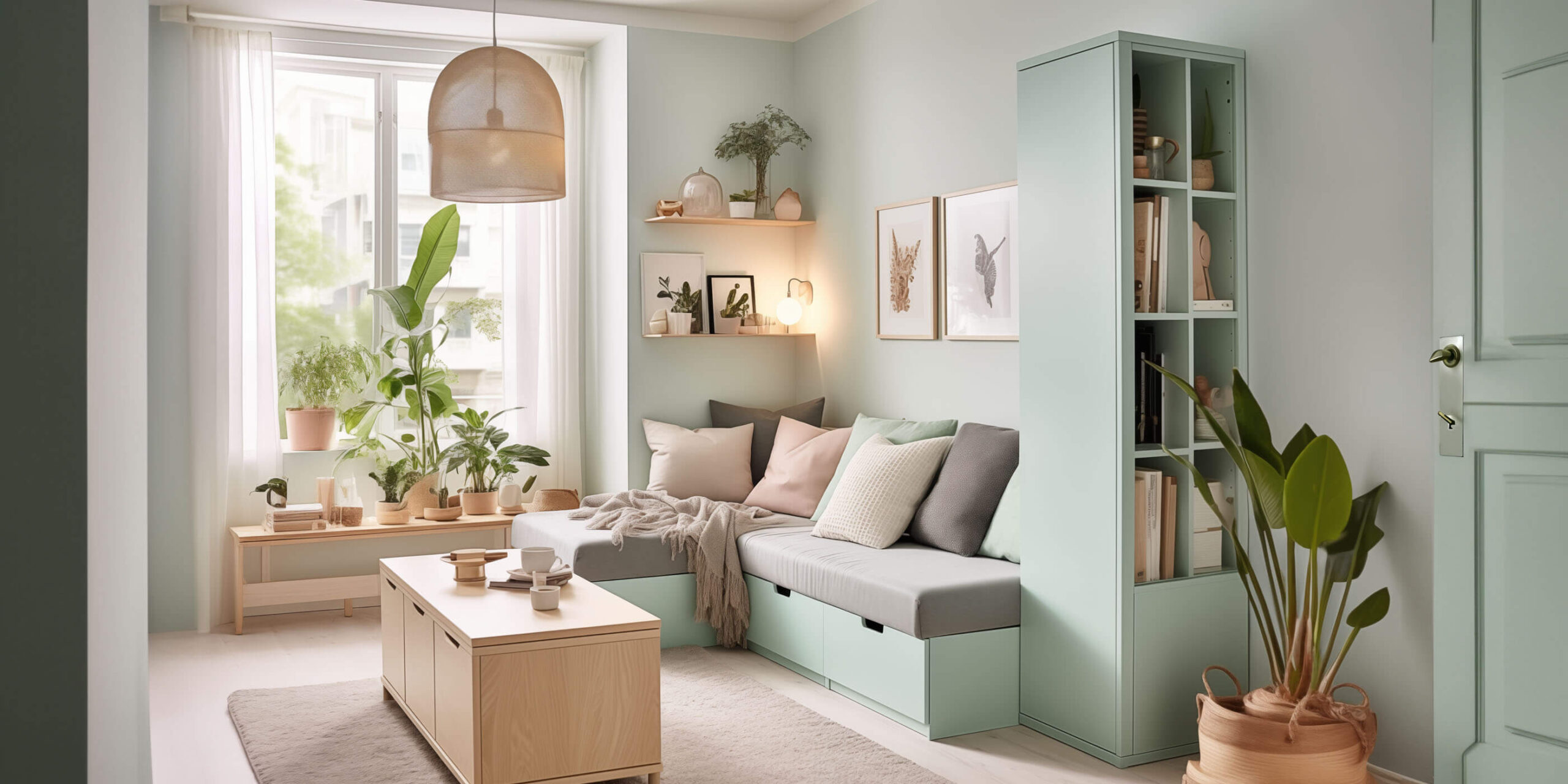
As you probably know, color has a powerful effect on how a room feels. In small spaces, choosing the right colors matters even more: it goes well beyond pure aesthetics. In this article, we’ll show you how to use color not just to make your space feel larger, but also to express your personality, highlight specific areas, and create a cozy atmosphere. Let’s dive into color schemes for small rooms and explore the many ways you can transform your space!
Use light colors
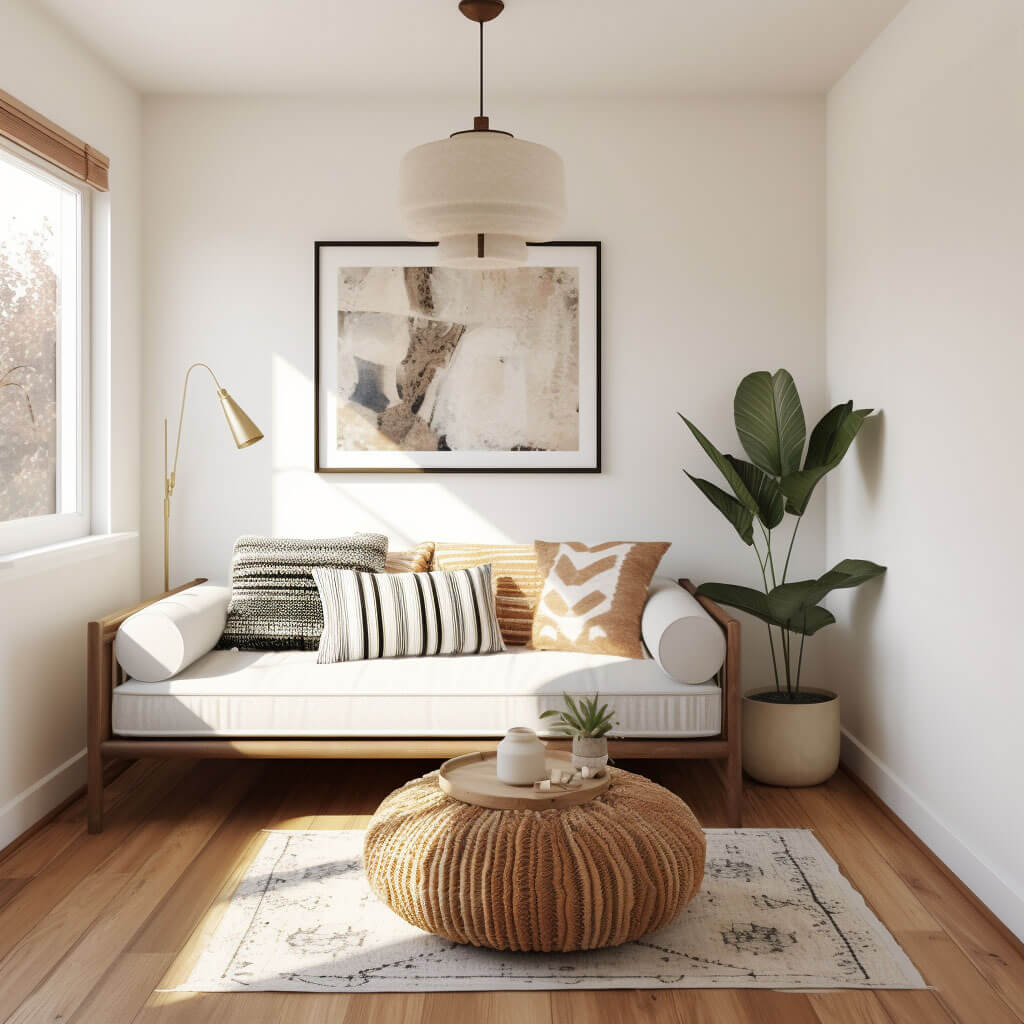
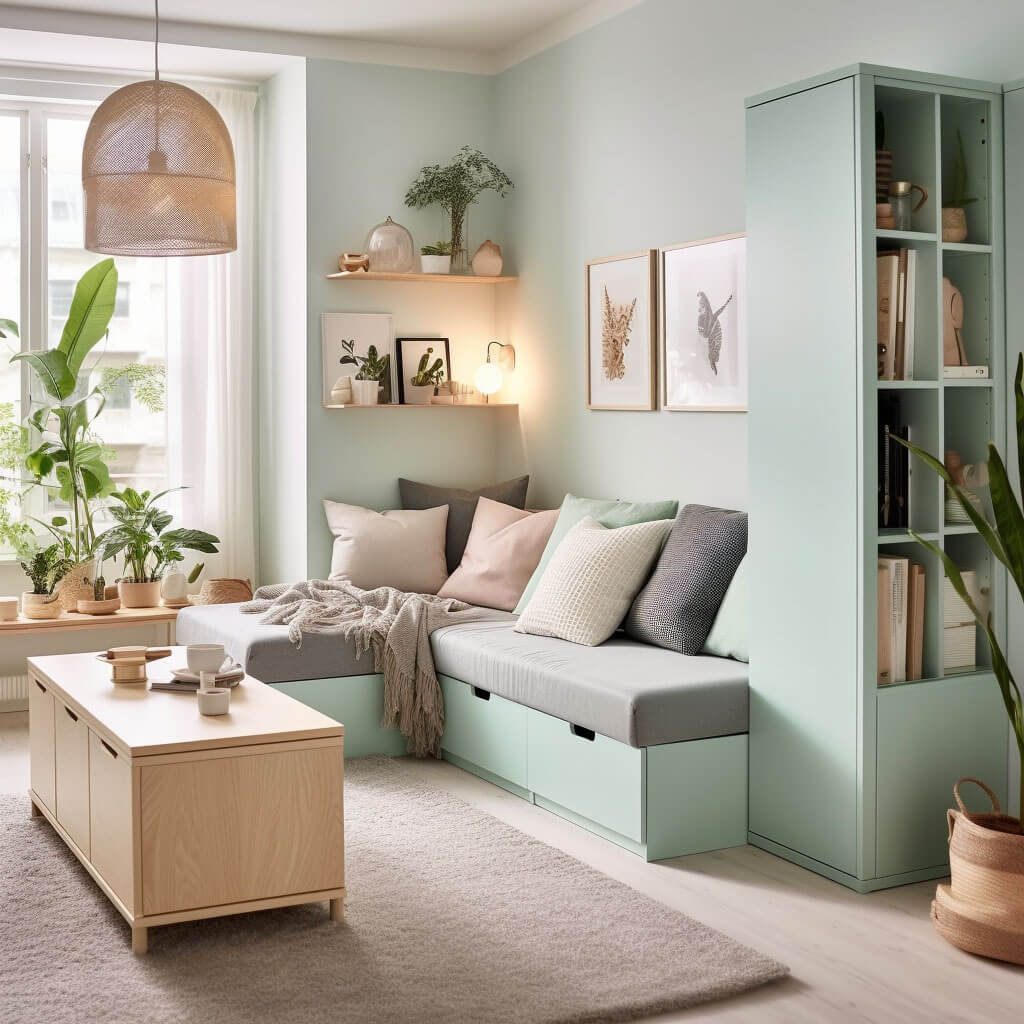
Let’s start with the most obvious tip. Light colors like white, beige, light gray, and pastel shades make rooms appear larger. That’s because they reflect light, which visually opens up the space. So if you really like the Scandinavian minimalist style—go for it!
However, that doesn’t mean you have to give up on contrasts. For example, you could place colorful decorative pillows on a light-colored sofa or lay a colorful rug on a neutral floor to create focal points. A combination of black and white also creates exciting effects.
Don’t Be Afraid to Use Color, Even in Small Rooms
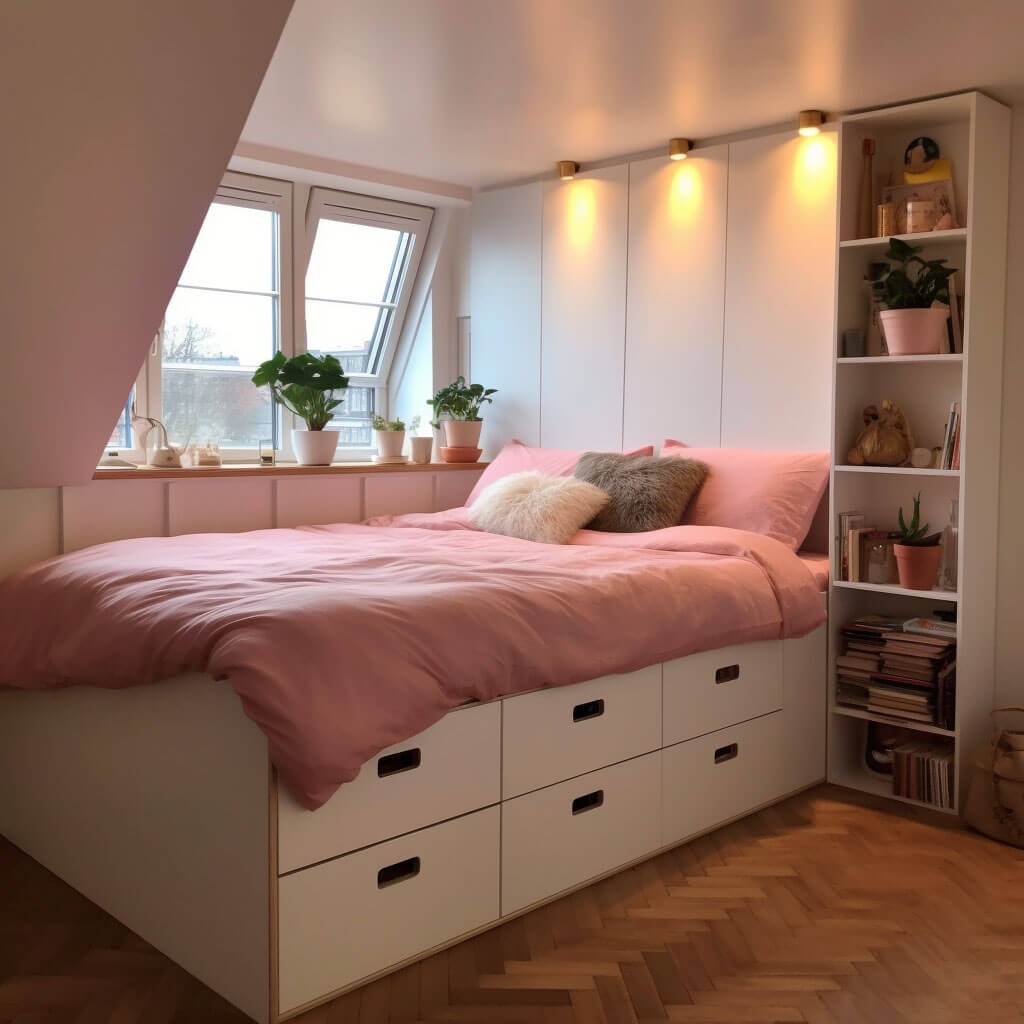
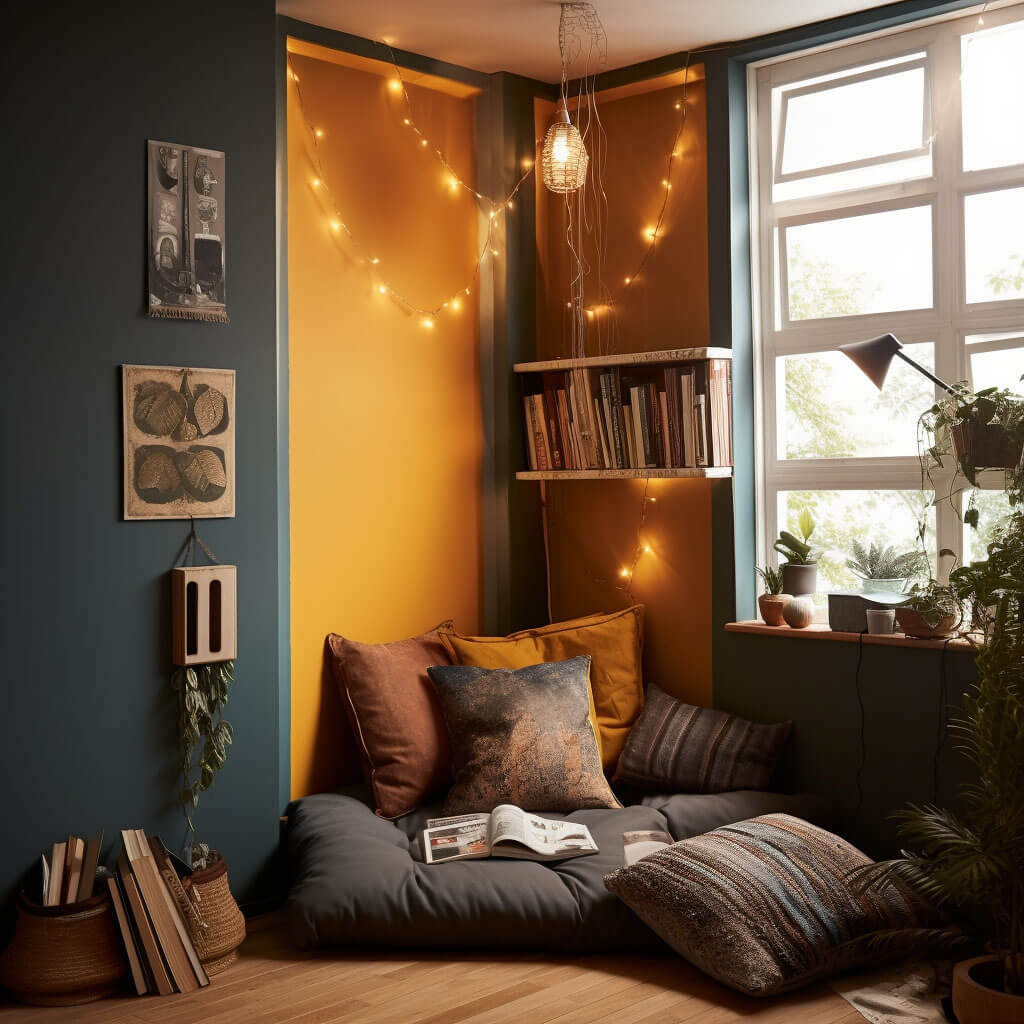
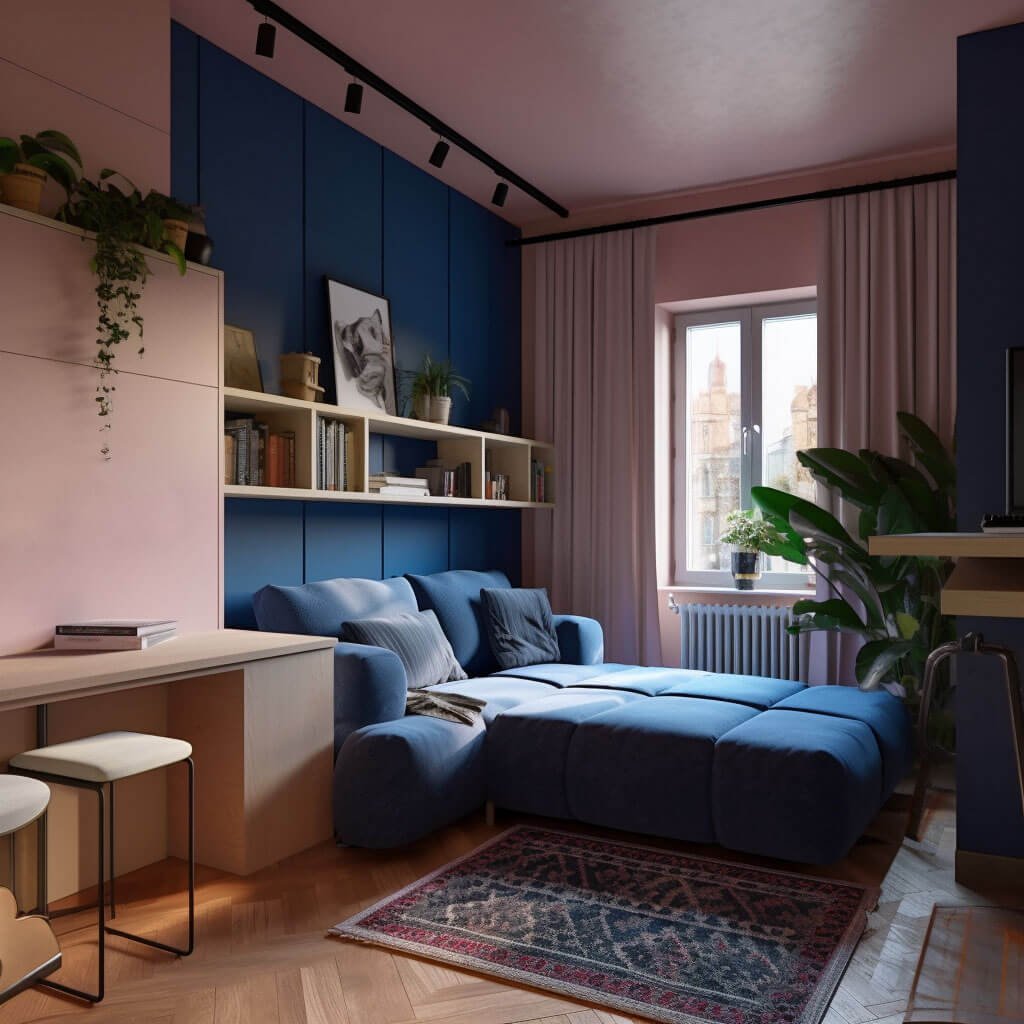
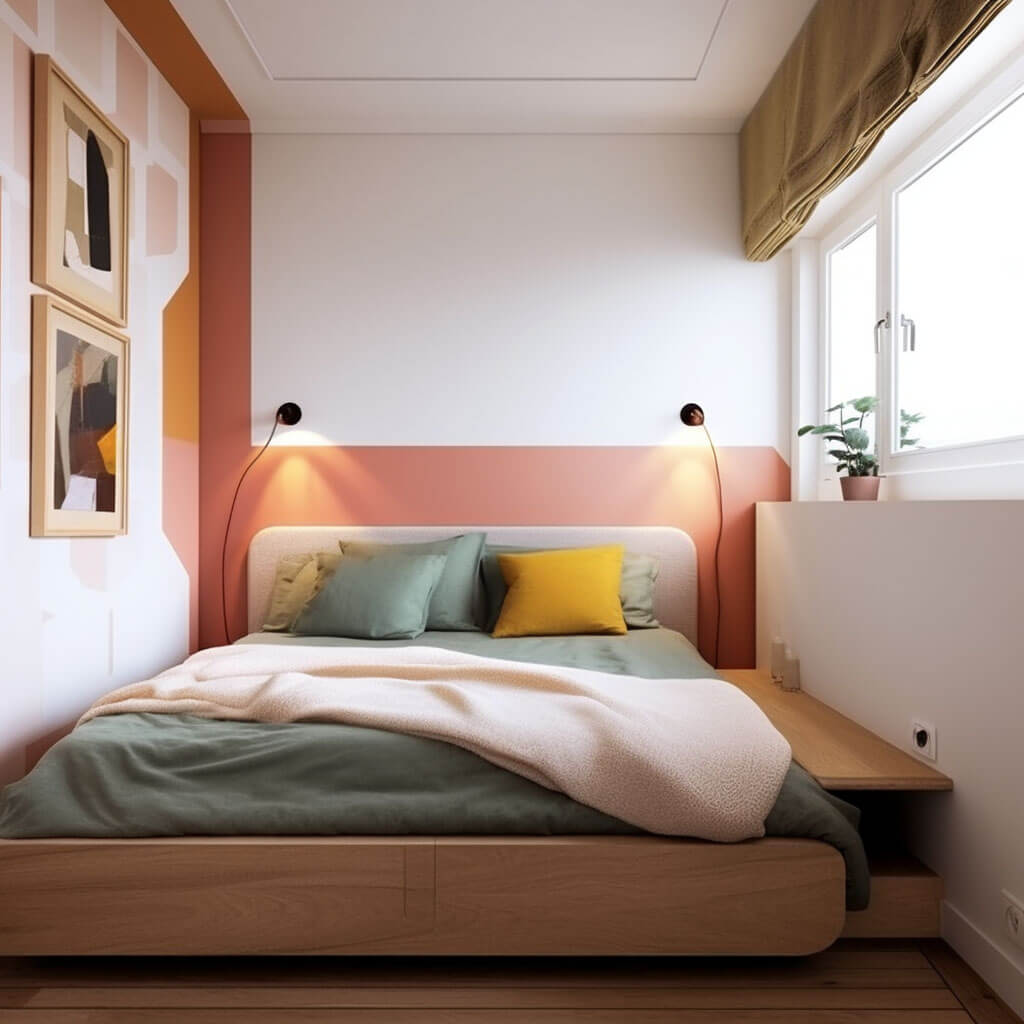
While light colors are often recommended for small rooms, that doesn’t mean you have to avoid bold ones. In fact, using bold color accents strategically can make a room feel more exciting. A tried-and-true technique is to paint a single wall in a bold color and then echo it in the accessories and decorative elements around the room. This adds character and visual depth without making the space feel cluttered.

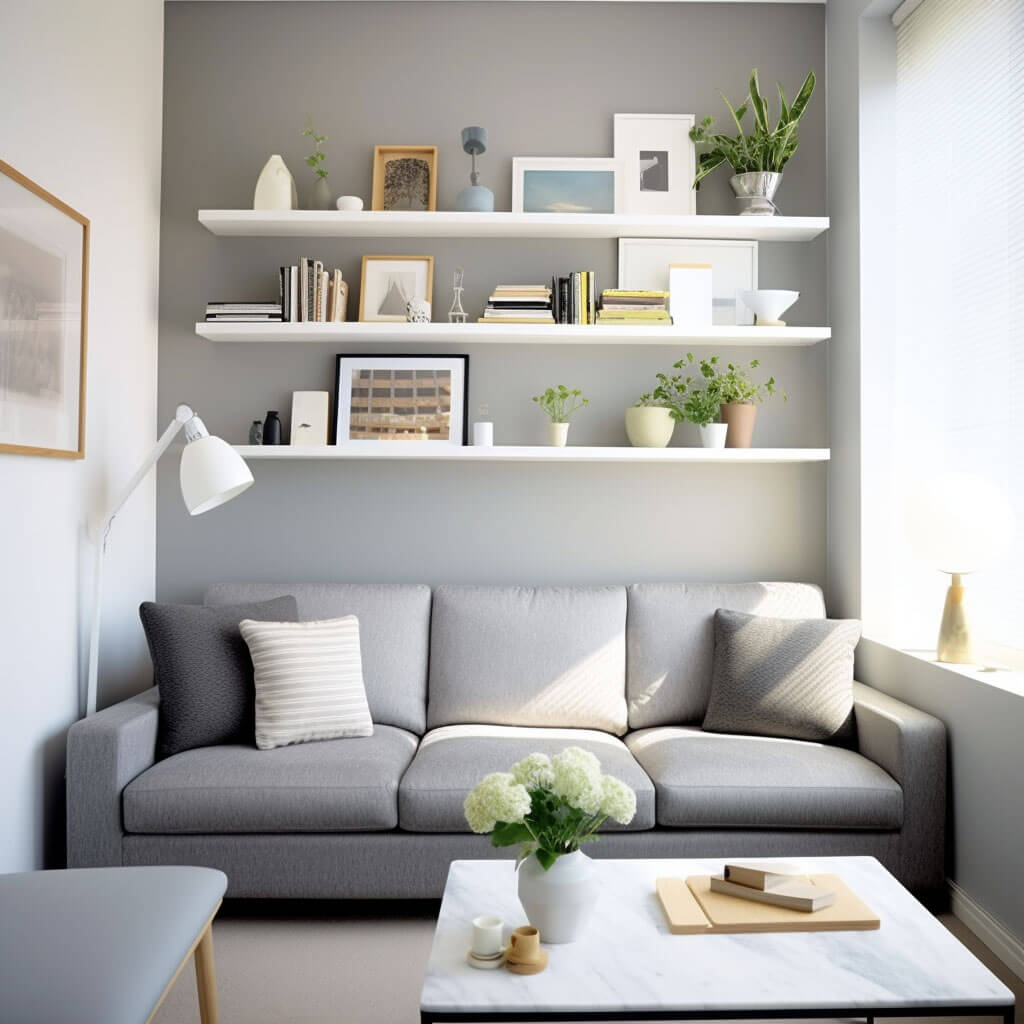
Using Color to Create a Focal Point in Small Rooms
In general, it’s important to give a room energy by creating a visual focal point. As mentioned above, this could be a bold wall color — or a striking piece of furniture like a colorful armchair or a beautifully styled shelf that draws the eye and gives the room character.
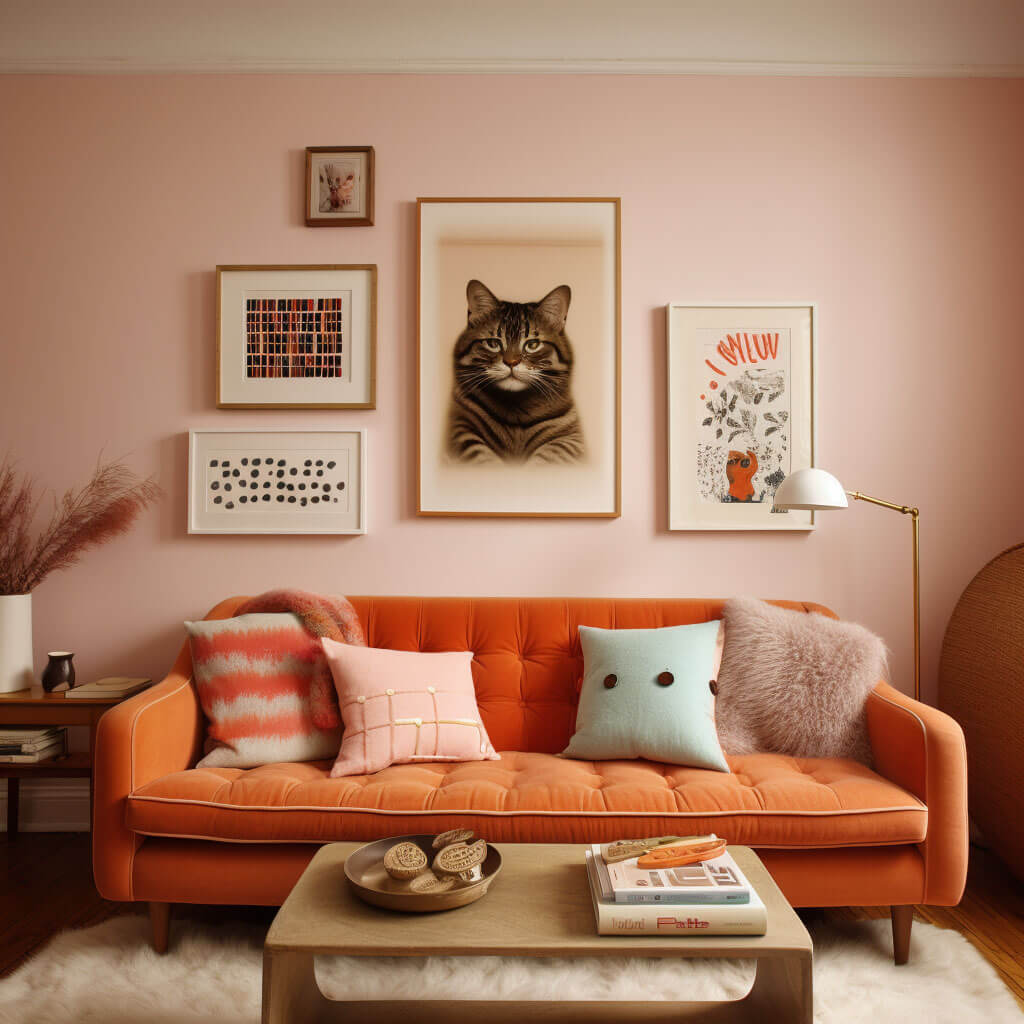
The rest of the room can then be decorated in more neutral tones to draw even more attention to the focal point. However, it’s important to repeat the colors from this piece of furniture in small details elsewhere in the room.
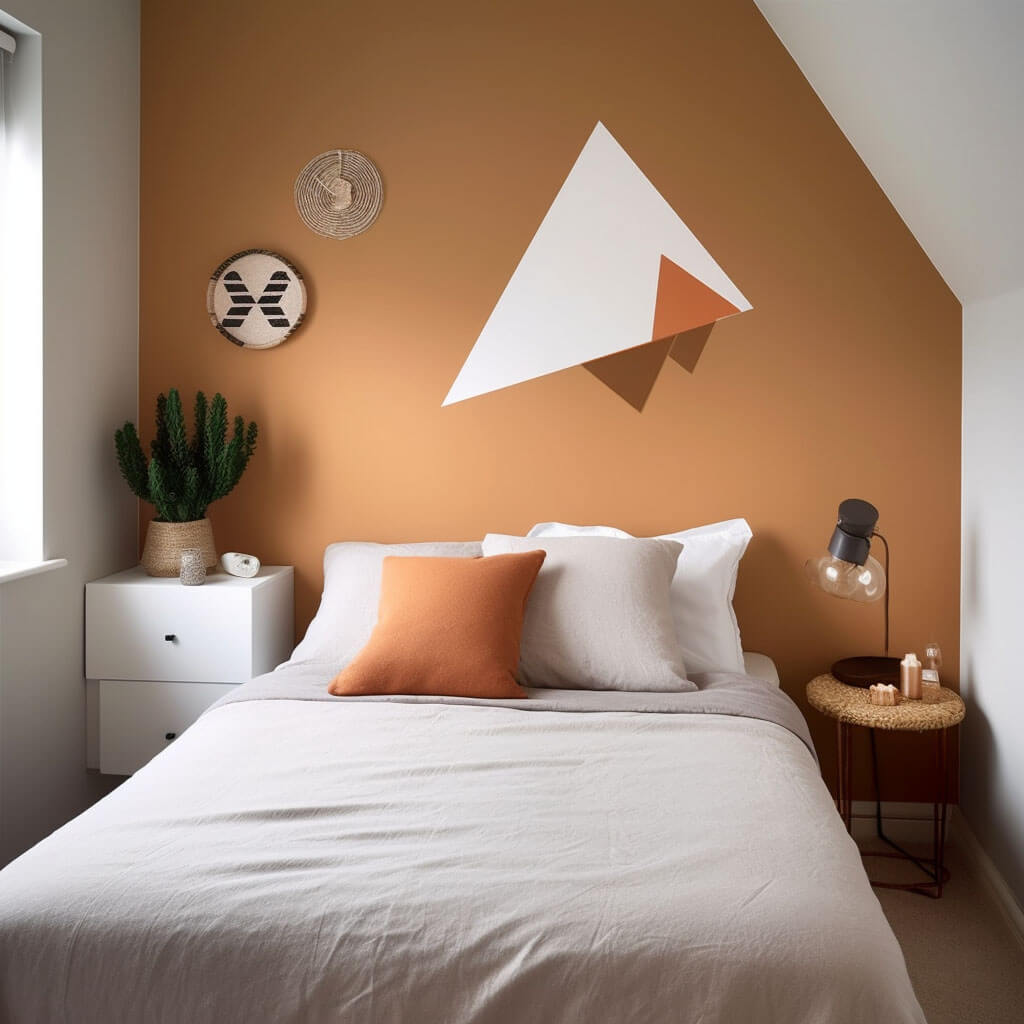
Creative Focus with Graphics and Wallpaper
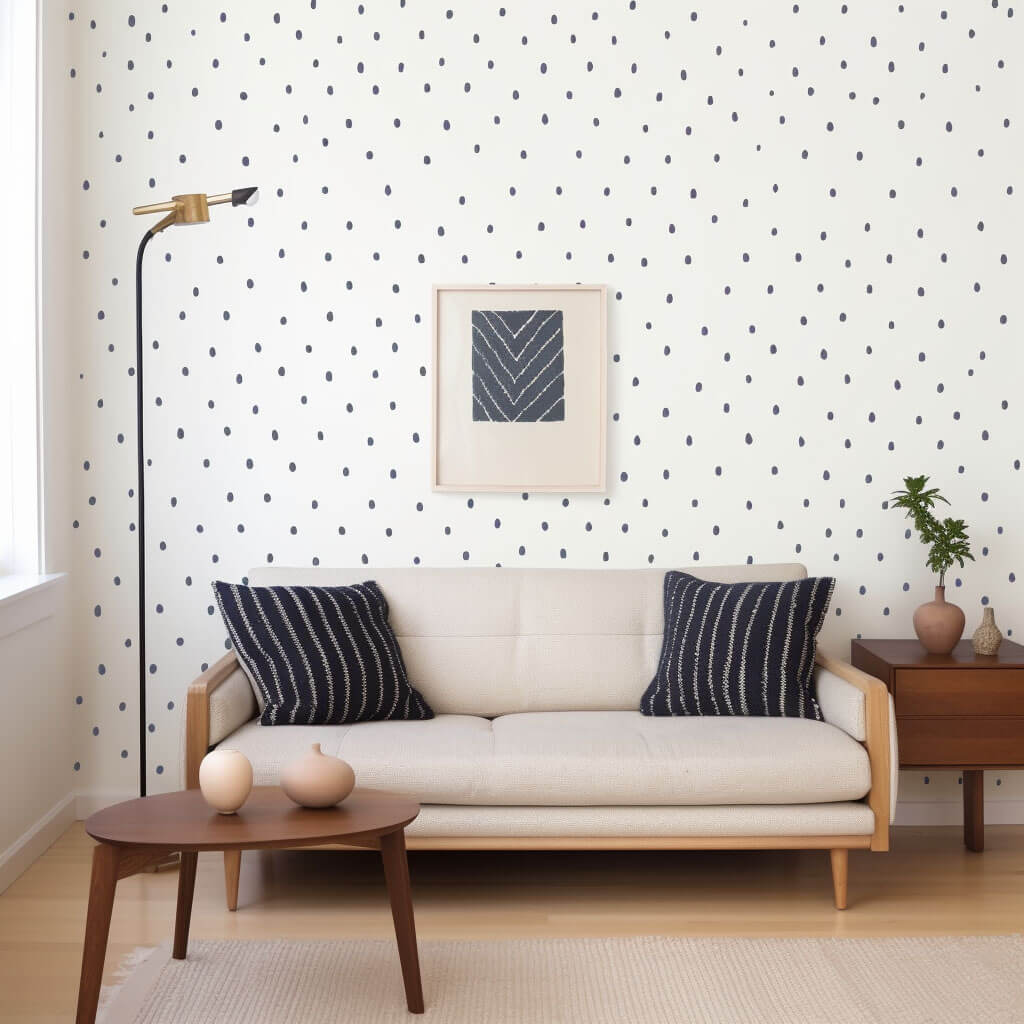
However, the use of color doesn’t have to be limited to solid-colored walls. Painted graphic patterns or even murals are also a great way to draw attention to a specific wall. These custom-designed graphics add personality and individuality to your space.
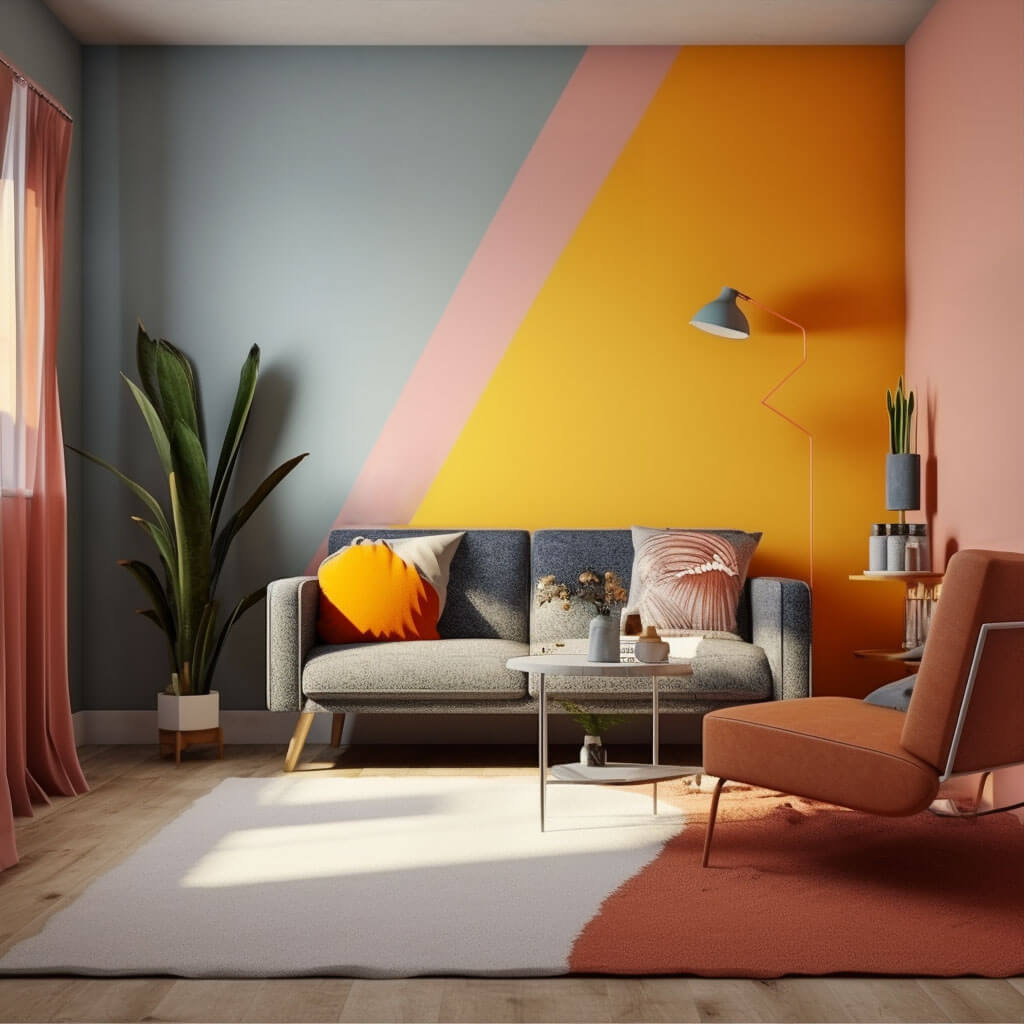
If you don’t have any painting experience or the time to do it, patterned wallpaper is just as effective a solution. Wallpaper comes in a wide range of graphic designs, from classic stripes to modern geometric patterns. Putting up patterned wallpaper on a wall automatically turns it into an eye-catcher.

Create a focal point with a centrally placed work of art
Are colorful walls too much for you? No problem: Another simple way to draw attention in a small room while also making it feel more spacious is to use a painting in bold colors. Place the artwork in a strategic spot in the room that immediately catches the eye. This could be the wall above the sofa, the dining table, or an empty space that has gone unnoticed until now.
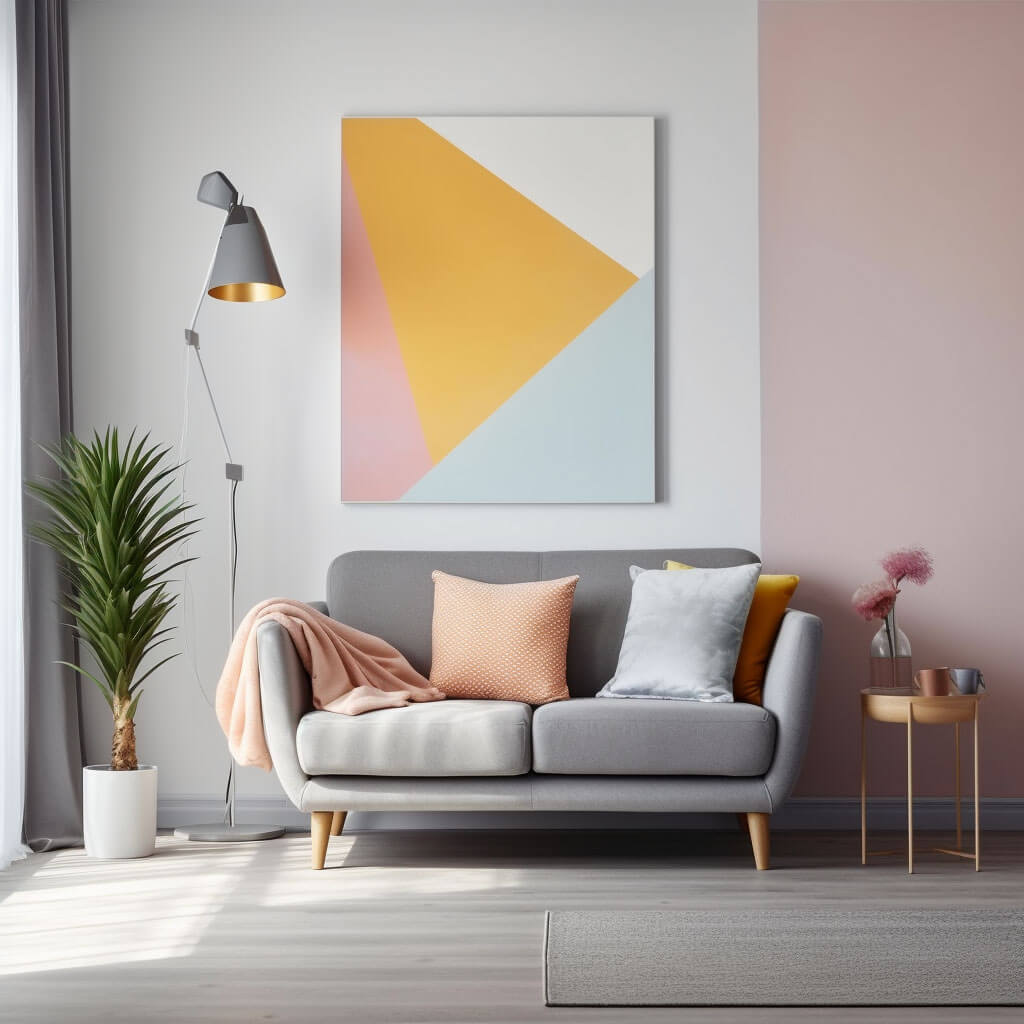
The focal point should stand out from its surroundings to truly draw attention and guide the viewer’s eyes. If the walls are painted in lighter shades, a bold image can provide a strong contrast. On the other hand, a light-colored picture on a dark wall can also serve as a beautiful focal point. You can also repeat colors from the picture in small details of the decor to create a harmonious overall look.

Depth created by different colors on the walls and ceiling
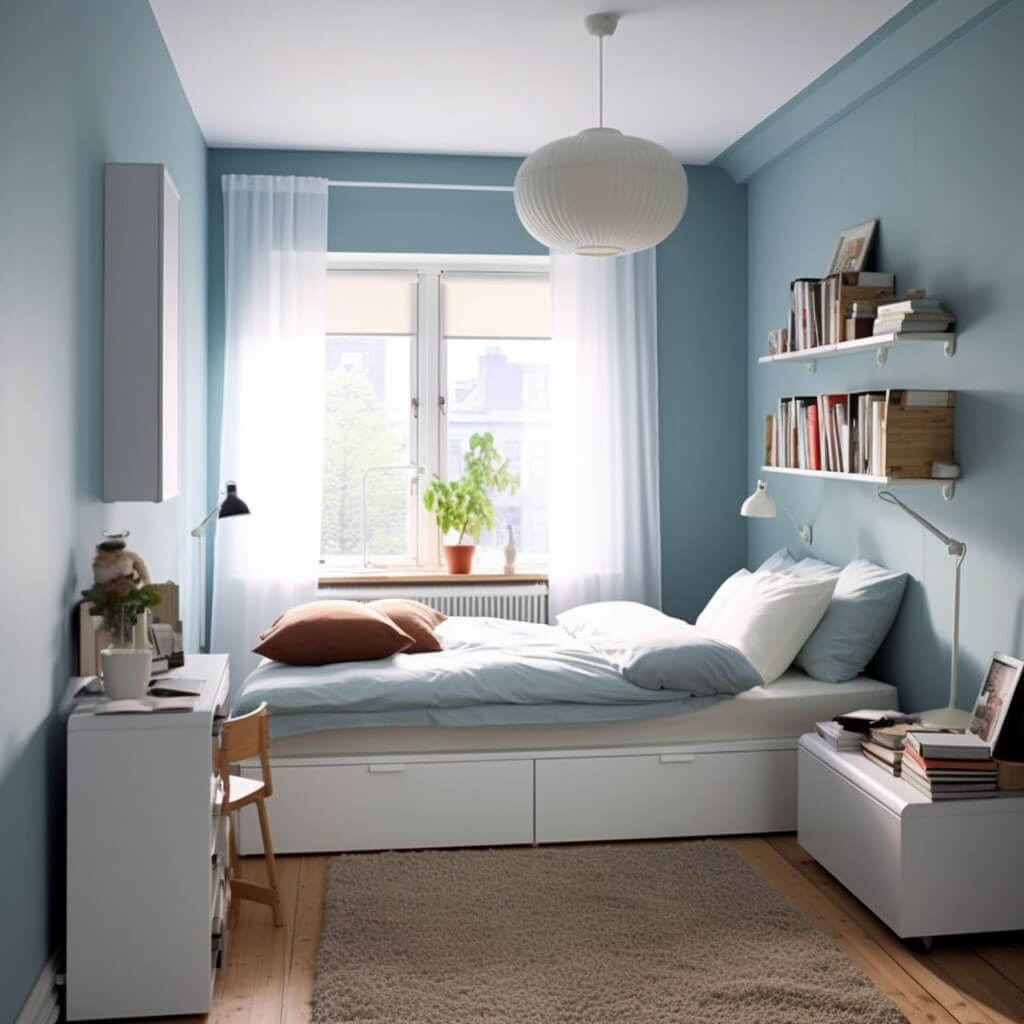
Another clever way to add depth to small rooms is to paint the walls and ceiling different colors. By painting the ceiling a lighter color than the walls, you create a visual separation between the two surfaces. This gives the impression of height and spaciousness, as the ceiling appears higher and the room as a whole seems more spacious.
Vertical Stripes
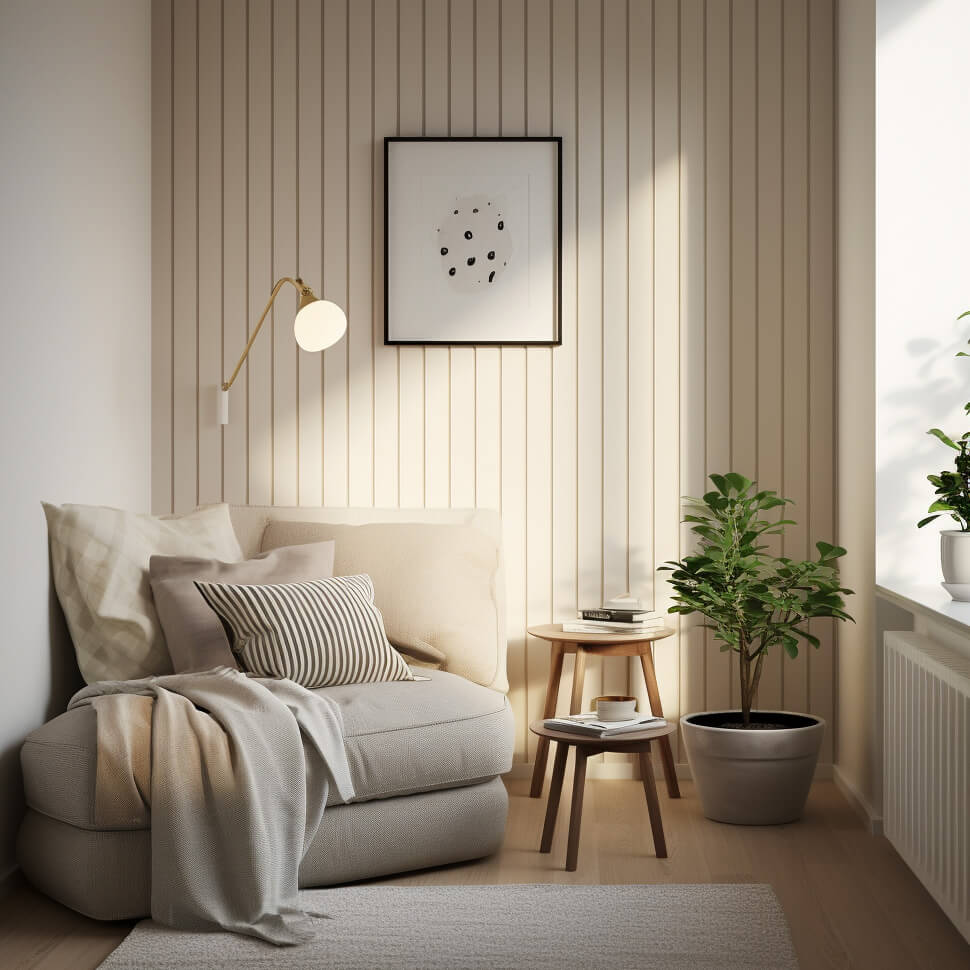
If you want to make the ceiling appear higher, vertical stripes could also be a good option. A vertical striped wall pattern draws the eye upward and gives the room a sense of spaciousness. It doesn’t even have to be contrasting colored stripes—even a vertical striped texture can create the desired effect.
Small Rooms: Defining Spaces with Wall Colors
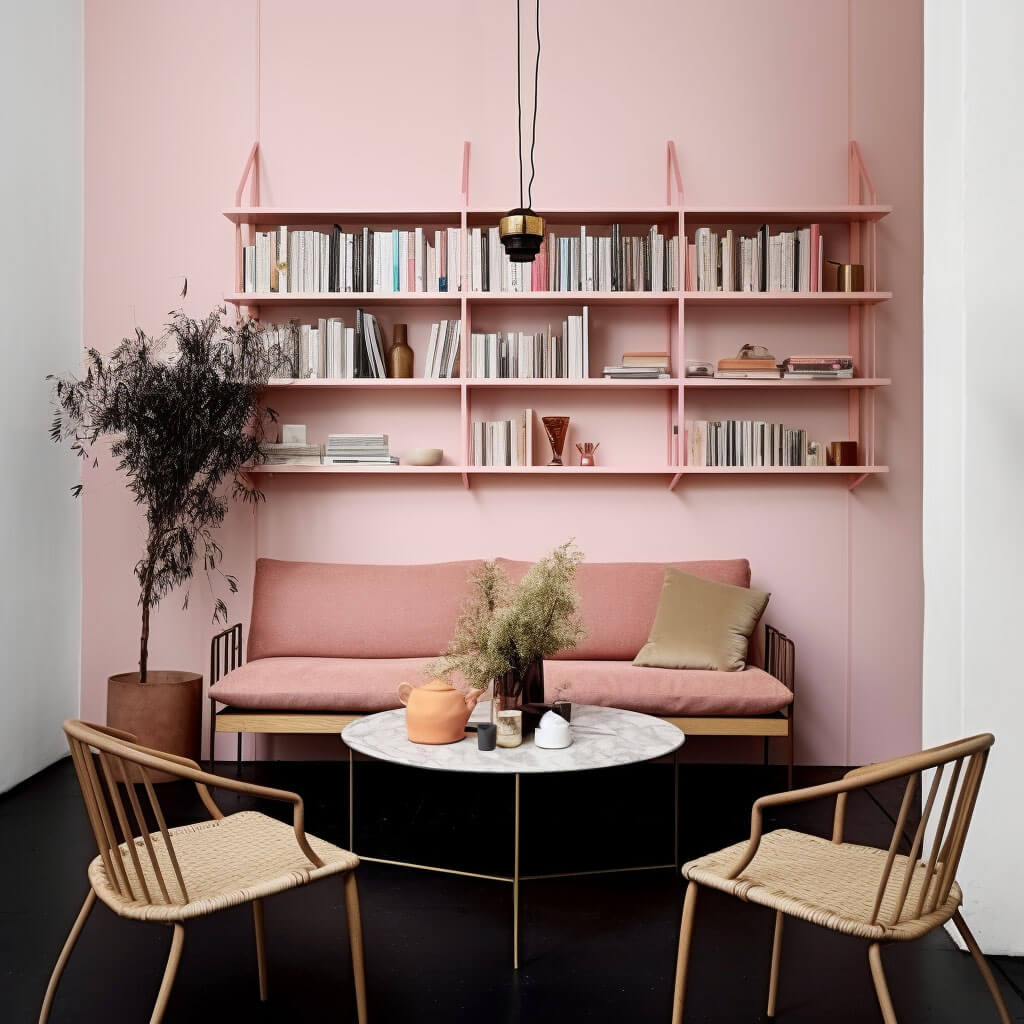
In a small room, using different wall colors can also be a simple way to clearly define different functional areas without needing physical partitions. For example, you could paint the wall behind your seating area in a soft, soothing color like a delicate gray or light blue to create a relaxed atmosphere. At the same time, you could highlight the dining area with a bolder, more vibrant color like a warm red or—if you prefer pastel shades—a shade of pink. This not only creates visually defined areas but also gives each area its own unique identity.

Using color to define different areas allows you to use the space more functionally without making it look cluttered. It also creates a visual hierarchy and highlights the various activities that take place in each area.
Color Scheme and Brightness of Floors
Of course, the color and brightness of the floor also play an important role in shaping the overall feel of a small room. A light-colored floor, such as light-colored laminate, can reflect light. So if you want to make a small room appear larger and more airy, choose flooring in light, neutral shades.
A dark floor, on the other hand—such as dark wood or dark carpet—tends to make the room appear smaller, but it can create an elegant and cozy atmosphere. So it really depends on the mood you want to create in the room.
Colors for Curtains
Here’s another tip on curtain colors: Dark curtains can create an elegant atmosphere. But they also block out a lot of natural light. A shady corner, in particular, can seem even darker even when the dark curtains are open. If you’re already playing with colors in other areas, you might want to deliberately opt for light-colored curtains. And don’t worry if you don’t have roller shades but still want it to be dark at night: There are also light-colored blackout curtains with an opaque coating. In my experience, these don’t block out light quite as well as black blackout curtains. But if you don’t need it to be completely pitch black, they should be sufficient.
Color Schemes for Small Rooms: Show Off Your Personality!
Last but not least: Who says that small rooms always have to look bigger than they are? There are many people who appreciate a certain “cave-like” feeling that makes them feel comfortable and secure in their home.
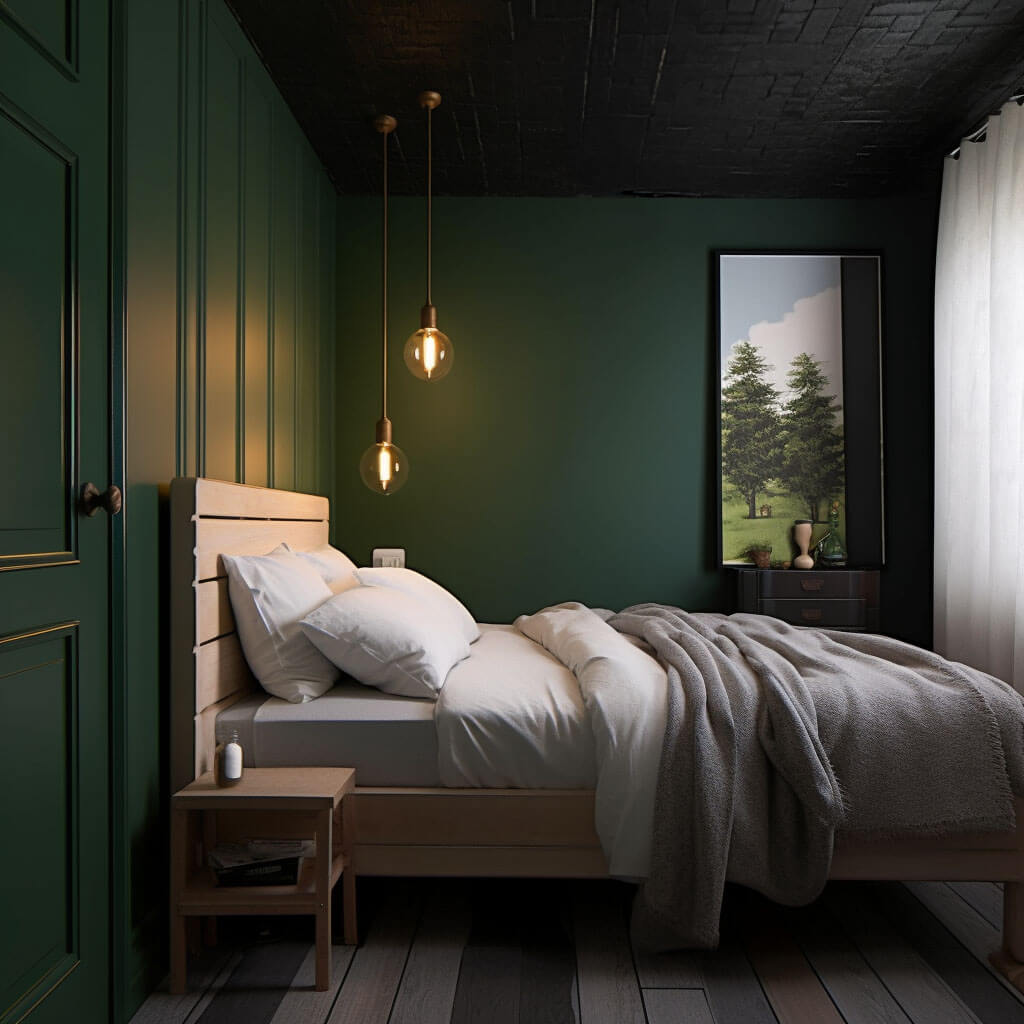
Dark colors can also look very elegant—for example, if you add gold accents. You can also design different rooms with different color schemes—for example, keeping the living area in light colors while designing the bathroom in dark, dramatic colors. After all, even dark colors can make small rooms shine.

Are you wondering how to use color in kids’ rooms? Here you’ll find more information on decorating small kids’ rooms.
When it comes to colors, it’s ultimately like so many other things: There’s no simple answer to which colors you should use. It depends above all on what you like and what suits your personality, as well as the atmosphere you want to create. Experiment a little with colors until you find the perfect combination. With a little creativity and attention to detail, you, too, can master color schemes for small spaces!
Disclaimer: The images in this article were created using graphic design software such as Midjourney and Photoshop. This means that the products shown are not available for purchase exactly as pictured. Feel free to use this as inspiration for a DIY project by purchasing an existing product and customizing or adding to it yourself. Alternatively, a carpenter can design and build a product like the one in the photos for you.